Eenmalig heeft z'n langste tijd gehad.
Op 12 augustus 2026 gaat de PPWR in — de nieuwe Europese verpakkingswet. Minder verpakking, minder karton, meer herbruik. Van Vliet & Newwen maken je nú al PPWR-proof.
Vanaf deze datum geldt de PPWR rechtstreeks in de hele EU — en begint de klok richting de eisen van 2030.
Voor iedereen die verpakking gebruikt —
HortiE-commerceRetailVerhuisFoodIndustrieLogistiek& meerWat verandert er — en wanneer?
De PPWR (Packaging & Packaging Waste Regulation) is geen richtlijn meer, maar een verordening: één set regels die rechtstreeks in de hele EU geldt. Dit zijn de kernpunten.
Alles recyclebaar
Richting 2030 moet vrijwel elke verpakking op de markt recyclebaar zijn volgens vaste design-for-recycling-criteria.
Minder lege ruimte
Maximaal 50% loze ruimte in verzend-, e-commerce- en groepsverpakkingen. Overbodige lagen mogen niet meer.
Herbruik verplicht
Bindende reuse-doelen voor transport- en groepsverpakking. Herbruikbaar wordt de norm, wegwerp de uitzondering.
Verplicht recyclaat
Nieuwe kunststof verpakkingen moeten een minimumpercentage gerecycled materiaal bevatten — oplopend richting 2030 en 2040.
Verboden verpakking
Bepaalde single-use en zeer lichte plastic verpakkingen verdwijnen volledig van de markt.
Labels & EPR
Geharmoniseerde labels en uitgebreide producentenverantwoordelijkheid: rapporteren en betalen voor wat je op de markt brengt.
Van 12 augustus naar 2040
De PPWR rolt gefaseerd uit. Dit zijn de mijlpalen — met de datum waarop elke eis ingaat.
PPWR van kracht
De verordening geldt rechtstreeks in de hele EU en de kern van de verplichtingen wordt afdwingbaar.
Het kantelpunt
Alle verpakking recyclebaar (grade A, B of C). Maximaal 50% lege ruimte in transport-, groeps- en e-commerceverpakking. Eerste single-use formats verboden. Verplicht recyclaat in kunststof. 70% van al het verpakkingsafval gerecycled.
autorenew Hergebruik-doel: 40% transportverpakking · 10% groepsverpakkingRecyclebaar in de praktijk
Verpakking moet niet alleen ontworpen zijn voor recycling, maar ook op schaal daadwerkelijk gerecycled worden.
Strengere eisen
De recyclebaarheids-eisen worden aangescherpt: alleen de best presterende verpakking (grade A of B) blijft toegestaan.
Volledig circulair
De recyclaat- en hergebruik-doelen worden fors aangescherpt.
autorenew Streefdoel (inspanning): 70% transport · 25% groepsverpakkingOp basis van de officiële EUR-Lex-samenvatting en de volledige verordening (EU) 2025/40. Exacte percentages en uitzonderingen staan in de wettekst en bijlagen.
Karton wordt een risico. Herbruik wordt een voorsprong.
Wie op karton en wegwerp blijft draaien, loopt tegen kosten en eisen aan. Wie nu overstapt, is straks klaar — en vertelt een sterker duurzaamheidsverhaal.
Blijf je bij karton?
- remove Stijgende EPR-heffingen op single-use verpakking
- remove Verplicht recyclaat en design-for-recycling op je kartonnage
- remove De 50%-lege-ruimte-regel dwingt je verpakking te herzien
- remove Administratie- en rapportagelast die blijft groeien
- remove Elk jaar uitstel maakt de overstap in 2030 duurder
Stap je over op herbruik?
- check Je haalt de reuse-doelen die de PPWR verplicht stelt
- check Minder afval, minder CO₂, lagere verpakkingskosten per omloop
- check Eén systeem dat vandaag al voldoet aan wat 2030 vraagt
- check Een aantoonbaar, cijfermatig duurzaamheidsverhaal
- check Rust: geen jaarlijkse verrassingen meer uit Brussel
Herbruikbaar transport dat de wet vóór is.
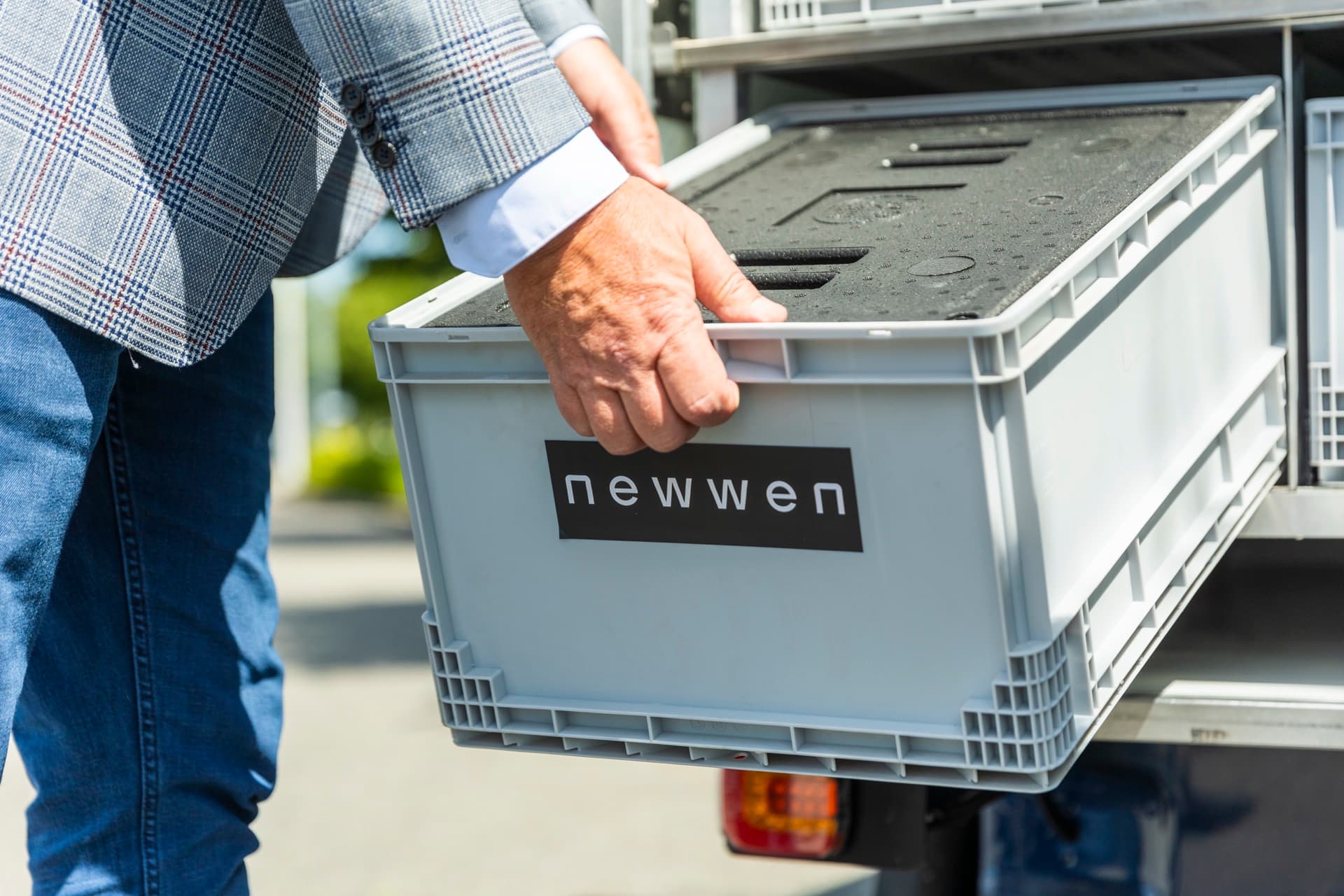
Van herbruikbare bloemendozen met track & trace tot ladingdragers op maat: concrete oplossingen die karton vervangen en decennialang meegaan. Twee merken, één missie.
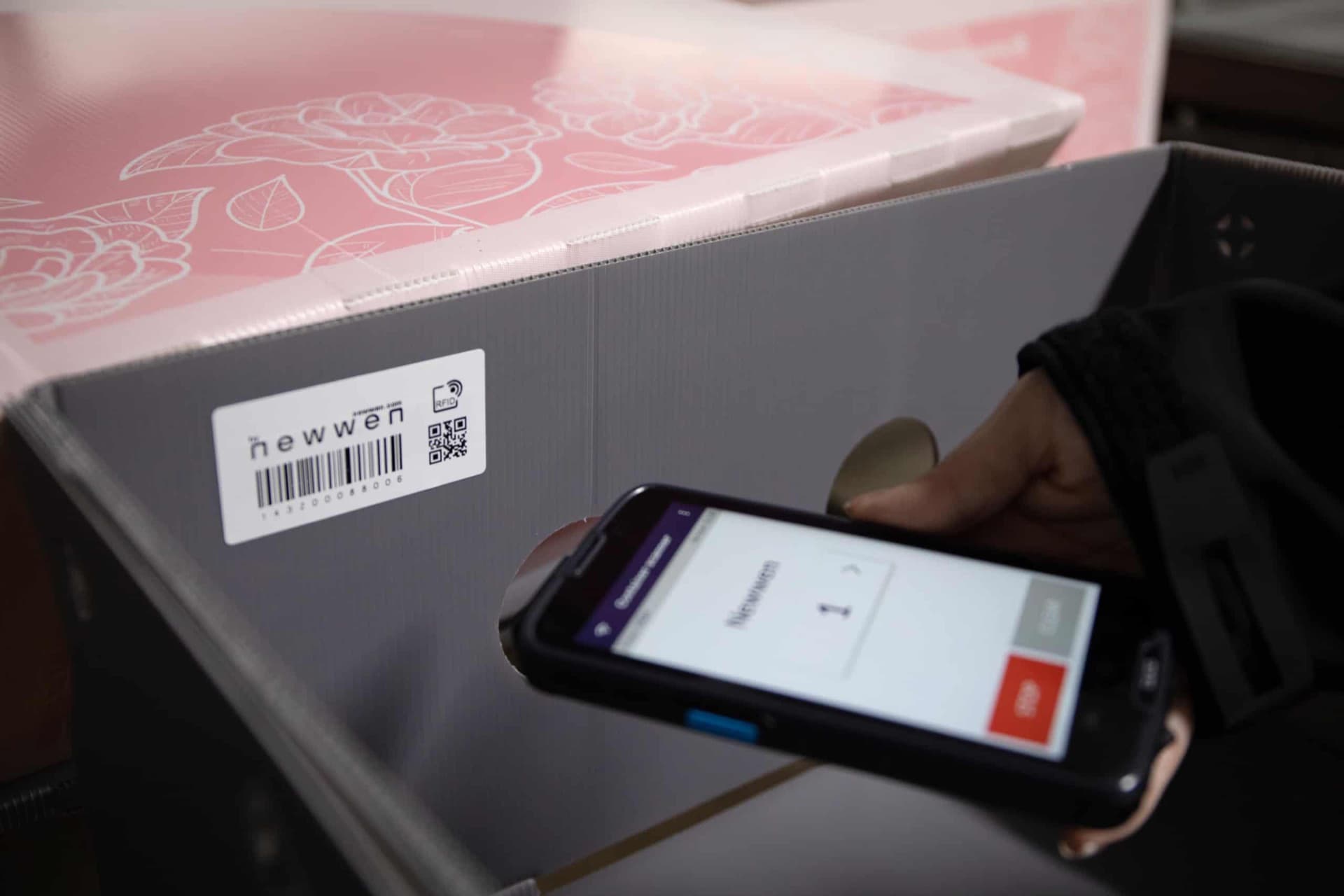
Bloemendozen met RFID
Herbruikbare, traceerbare exportdoos voor de sierteelt.
Bekijk de casus: Hoek Flowers arrow_forward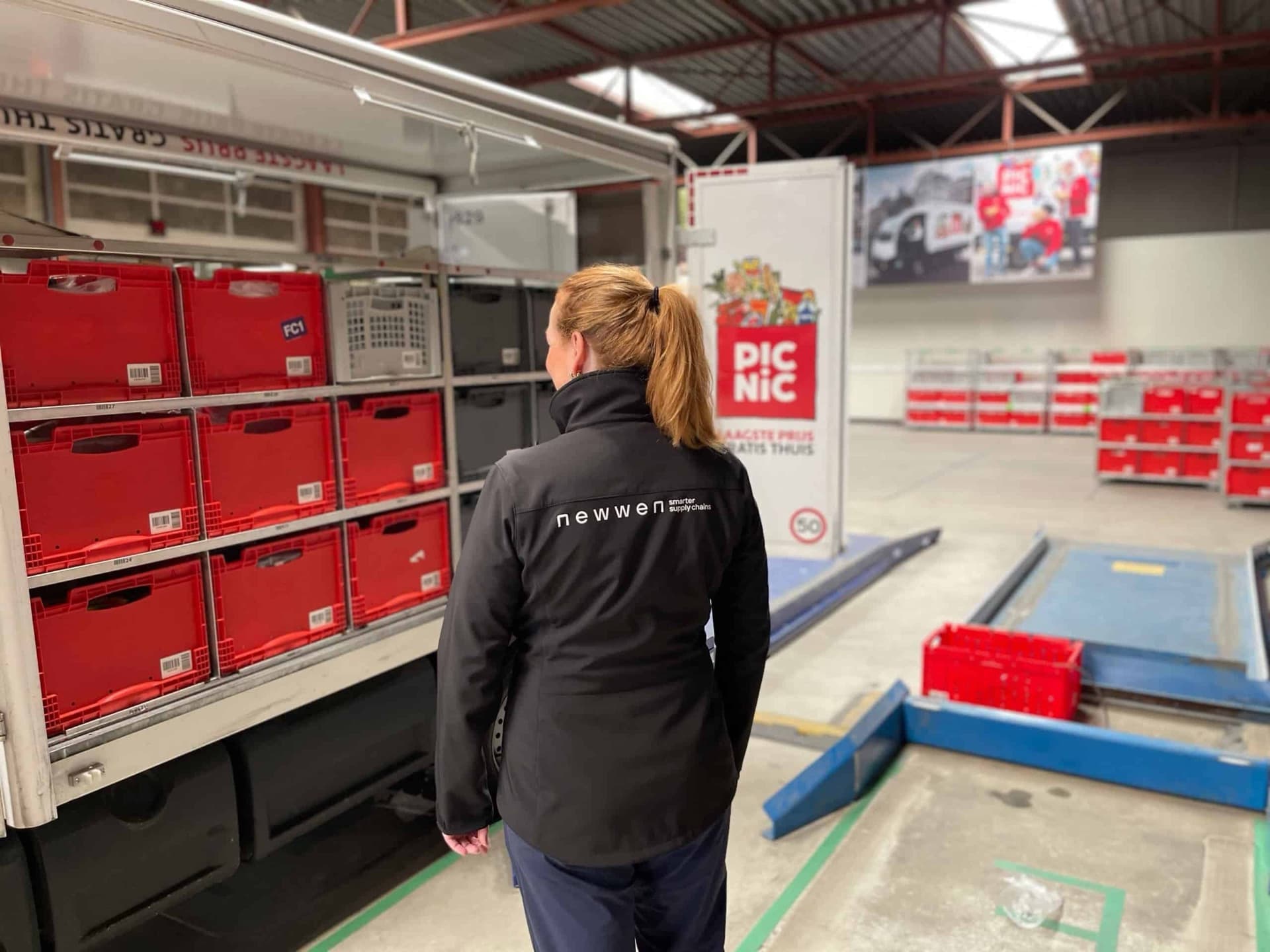
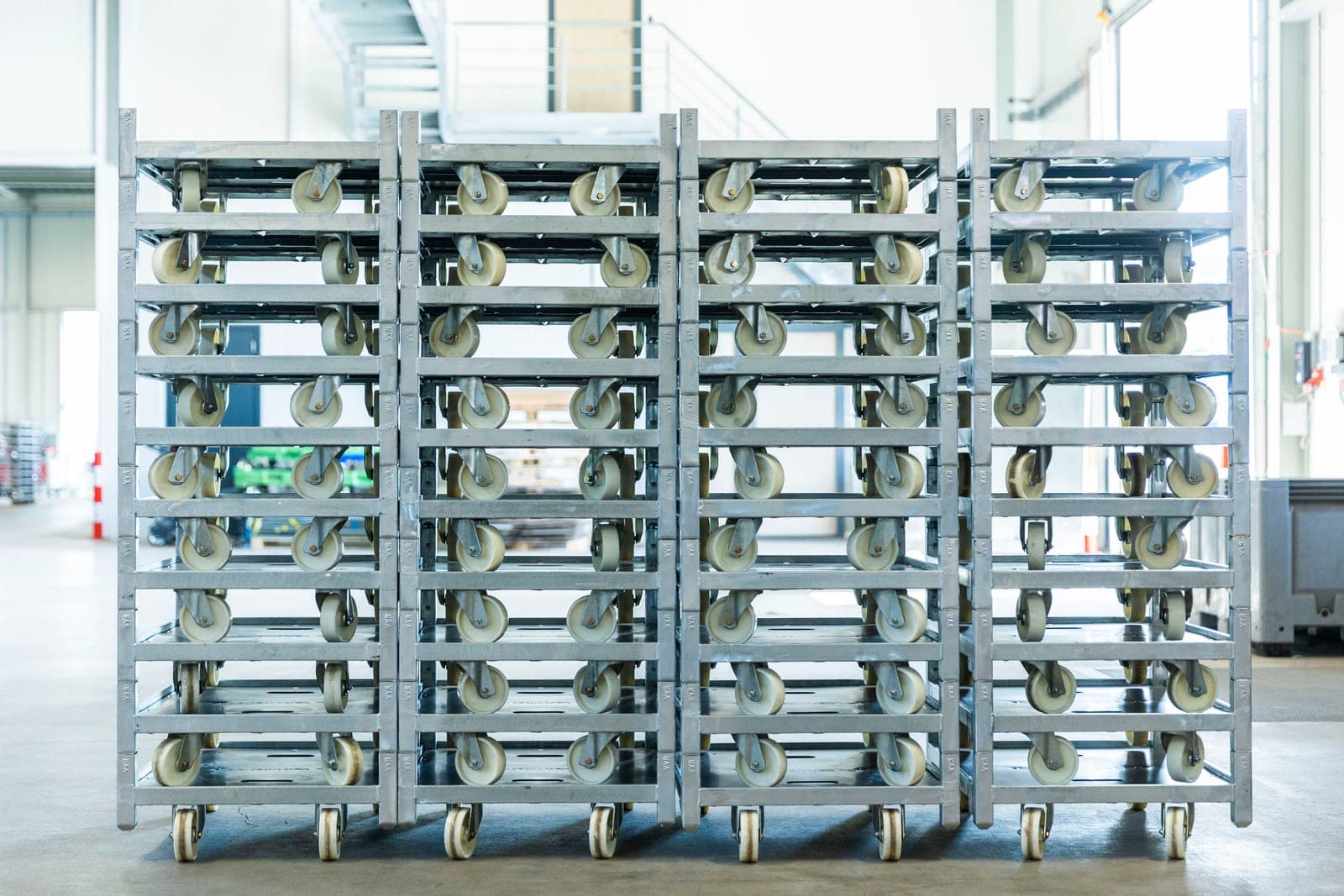
Ladingdragers op maat
Gesloten-loop dragers voor e-fulfilment en retail.
Bekijk de casus: Picnic arrow_forwardWij ontwikkelen het zelf. Van tekentafel tot omloop.
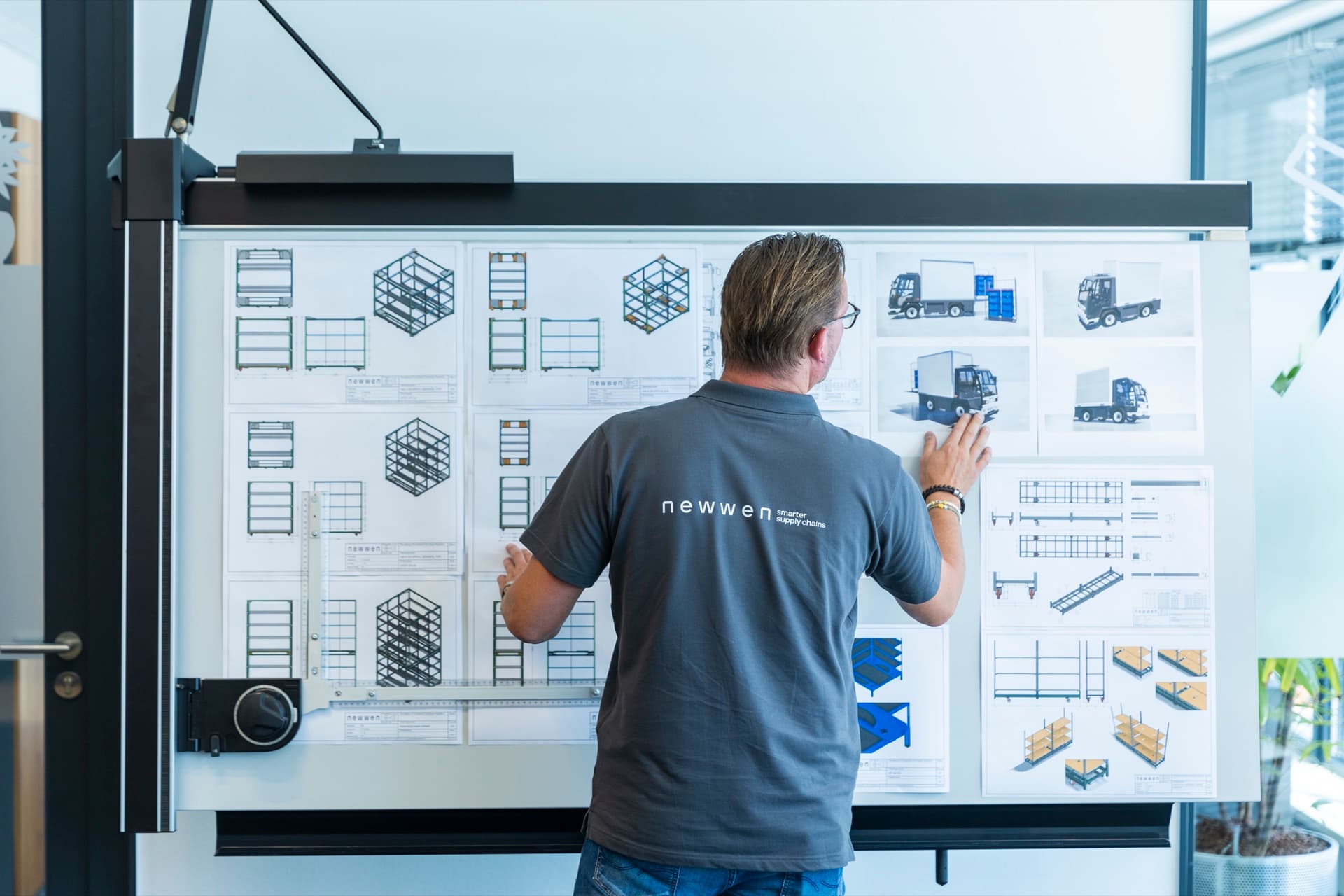
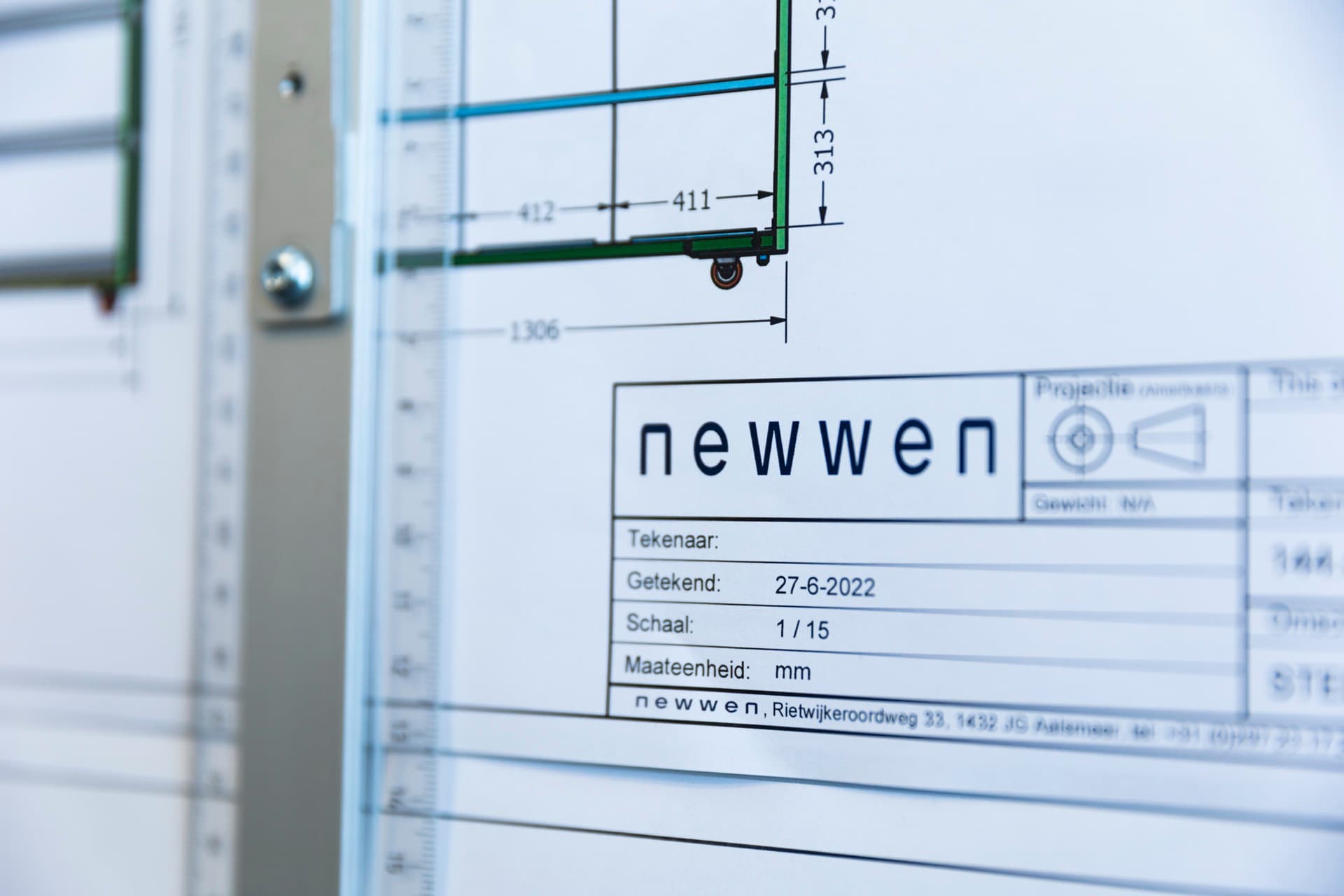
Geen standaard van de plank. Onze eigen engineers ontwerpen herbruikbare dragers, kratten en dozen op maat van jouw keten — getekend, getest en geoptimaliseerd voor honderden omlopen.
- draw Eigen engineering & productontwikkeling
- tune Maatwerk voor jouw producten en processen
- autorenew Ontworpen voor retour, reiniging en hergebruik

Gebruik jij verpakking? Dan raakt de PPWR jou.
Bloemen, pakketten, meubels, voeding of medische producten — de wet geldt voor iedere sector. Het hoofdverhaal is universeel, de winst per sector concreet.
Verdiep je in de PPWR
Praktische, feitelijke artikelen die uitleggen wat de PPWR voor jouw sector betekent — en hoe je je nú al voorbereidt.
PPWR-pauzeknop voor verzend-, service- en primaire productieverpakkingen
Verpact zet een tijdelijke pauzeknop op verzend-, service- en primaire productieverpakkingen onder de PPWR. Wat betekent de stand-still, en waarom is terugwerkende kracht het addertje onder het gras?
PPWR voor e-commerce & retail: wat betekent de verpakkingswet voor je verzendverpakking?
Wat de PPWR betekent voor webshops en retailers: de 50%-lege-ruimte-regel, waarom karton duurder wordt, hergebruikdoelen en concrete stappen richting 2030.
PPWR en de sierteelt: wat verandert er voor bloemen- en plantenexport?
Wat betekent de PPWR (Verordening 2025/40) voor de sierteelt? Van exportdozen tot fust en stapelwagens: dit verandert er voor bloemen- en plantenexport.
PPWR-vragen, kort beantwoord
Gebaseerd op de officiële verordeningstekst (EU) 2025/40 — kort, feitelijk, en met de juiste nuance over wat wanneer ingaat.
De PPWR (Packaging and Packaging Waste Regulation, Verordening (EU) 2025/40) is de nieuwe Europese verpakkingsverordening. Omdat het een verordening is, geldt hij rechtstreeks in alle EU-lidstaten zonder nationale omzetting. Hij stelt eisen aan de hele levenscyclus van verpakking: ontwerp, materiaal, hergebruik en recycling.
Vanaf die datum gelden onder meer de eisen rond schadelijke stoffen (een som-grenswaarde voor zware metalen en een PFAS-restrictie voor voedselcontactverpakking) en de bredere producenten- en registratiestructuur. De zwaardere ontwerp- en hergebruikeisen volgen gefaseerd, met 2030 als eerste grote mijlpaal.
Vanaf 2030 geldt een bindend doel van 40% herbruikbare transportverpakking voor grensoverschrijdend transport binnen de EU; voor 2040 is een streefdoel van 70% opgenomen (inspanningsverplichting). Voor groepsverpakking gelden 10% (2030, bindend) en 25% (2040, streven). Kartonnen dozen zijn van deze hergebruikdoelen uitgezonderd.
Voor verzend-, e-commerce- en groepsverpakking mag vanaf 2030 maximaal 50% van het volume uit lege ruimte bestaan (inclusief vulmateriaal). Herbruikbare verpakking is van deze regel vrijgesteld. De precieze rekenmethode wordt via een uitvoeringshandeling vastgelegd.
Verpakking in de sierteeltketen — exportdozen, fust, hoezen, trays en ladingdragers — valt onder de PPWR zodra ze op de EU-markt komt. Verpakkingstypen worden afzonderlijk beoordeeld op recyclebaarheid en conformiteit. Herbruikbare transportoplossingen sluiten goed aan op de richting van de wet.
Begin met drie dingen: breng al je verpakkingen in kaart, bepaal je rol(len) in de keten, en verzamel per verpakking de nodige informatie (materiaal, gewicht, samenstelling, recyclebaarheid en de conformiteitsverklaring). Vanaf 12 augustus 2026 moet je kunnen aantonen welke verpakkingen je gebruikt; de zwaardere eisen volgen richting 2030.
De EU-conformiteitsverklaring is het bewijsdocument dat een verpakking aan de PPWR-regels voldoet; in de praktijk soms 'verpakkingspaspoort' genoemd. De fabrikant stelt hem op — of jij, als je een verpakt product onder je eigen naam of merk op de markt brengt. De verklaring geldt voor de hele verpakkingsunit, dus pot, hoes, label en sluiting tellen mee.
Ja. Potten, seed trays, hoezen, sleeves, folies, dozen, kratten en transportverpakking vallen onder de PPWR zodra ze meegaan richting verkoop of transport — de Europese Commissie noemt bloem- en plantenpotten en seed trays expliciet. Alleen een pot die aantoonbaar uitsluitend intern in het teeltproces blijft, kan anders worden beoordeeld.
De verordening is op 11 februari 2025 in werking getreden en is algemeen van toepassing vanaf 12 augustus 2026. Belangrijk: de meeste inhoudelijke eisen — recyclebaarheid, minimalisatie, de 50%-regel en de hergebruikdoelen — gelden pas vanaf 1 januari 2030. 12 augustus 2026 is dus vooral het startpunt.
Voor elk bedrijf dat verpakking op de Europese markt brengt of gebruikt: producenten, importeurs, distributeurs en retailers, in alle sectoren (sierteelt, e-commerce, retail, food, logistiek, industrie). Voor kleine ondernemingen gelden enkele verlichtingen, maar er is geen algemene omzetdrempel.
Nee. De PPWR verbiedt karton niet en verplicht ook niet direct tot herbruik. Wél komt karton indirect onder druk: het moet voldoen aan recyclebaarheidseisen en de minimalisatie- en 50%-regel, en de EPR-bijdragen worden gekoppeld aan hoe recyclebaar een verpakking is. Herbruikbaar transport wordt daardoor relatief aantrekkelijker.
EPR (uitgebreide producentenverantwoordelijkheid) betekent dat wie verpakking op de markt brengt meebetaalt aan inzameling en recycling. De PPWR koppelt de hoogte van die bijdrage aan de recyclebaarheidsklasse: slecht recyclebare verpakking wordt duurder. Dit is het financiële mechanisme achter "karton wordt duurder".
Breng al je verpakkingen en hun materialen en gewichten in kaart, betrek je leveranciers, en toon aan dat eventueel gerecycled materiaal van gecertificeerde recyclers komt. Bepaal welke verpakkingsstromen je vóór 2030 wilt verduurzamen of vervangen door herbruikbaar transport.
De PPWR verdeelt de verplichtingen op basis van je rol: leverancier, fabrikant, producent, importeur of distributeur. Eén bedrijf kan meerdere rollen tegelijk hebben. Je rol bepaalt of je bijvoorbeeld moet registreren, aangifte doen of een conformiteitsverklaring moet kunnen overleggen — bepaal die dus per verpakking en per situatie.
Vanaf 1 januari 2030 moeten de kunststofdelen van verpakking een minimumaandeel post-consumer recyclaat bevatten. Voor veel non-food plasticverpakking geldt vanaf 2030 minimaal 35%, oplopend richting 65% in 2040. De nadere technische regels worden nog uitgewerkt.
Lees de PPWR-nieuwsbrief online mee.
Elke 4 weken een korte, praktische update over de PPWR — van wat er verandert tot hoe je overstapt. Lees editie #1 direct en ontvang elke nieuwe editie als eerste in je inbox.
Blijf op de hoogte van de PPWR
Ontvang onze korte reeks: wat er verandert, wat karton je straks kost, en hoe je nú al PPWR-proof wordt. Geen spam — alleen wat je moet weten.
Liever direct sparren? Plan een gesprek →Volg ons op Instagram.
Elke week een frisse kijk op de PPWR — praktisch, eerlijk en soms met een knipoog.